
Partnering With Providers In
Breast Cancer Rehabilitation
Iris collaborates with healthcare providers to ensure patients receive specialized, evidence-based rehabilitation and exercise support during and after treatment.
Why Rehabilitation & Exercise Matter
Research
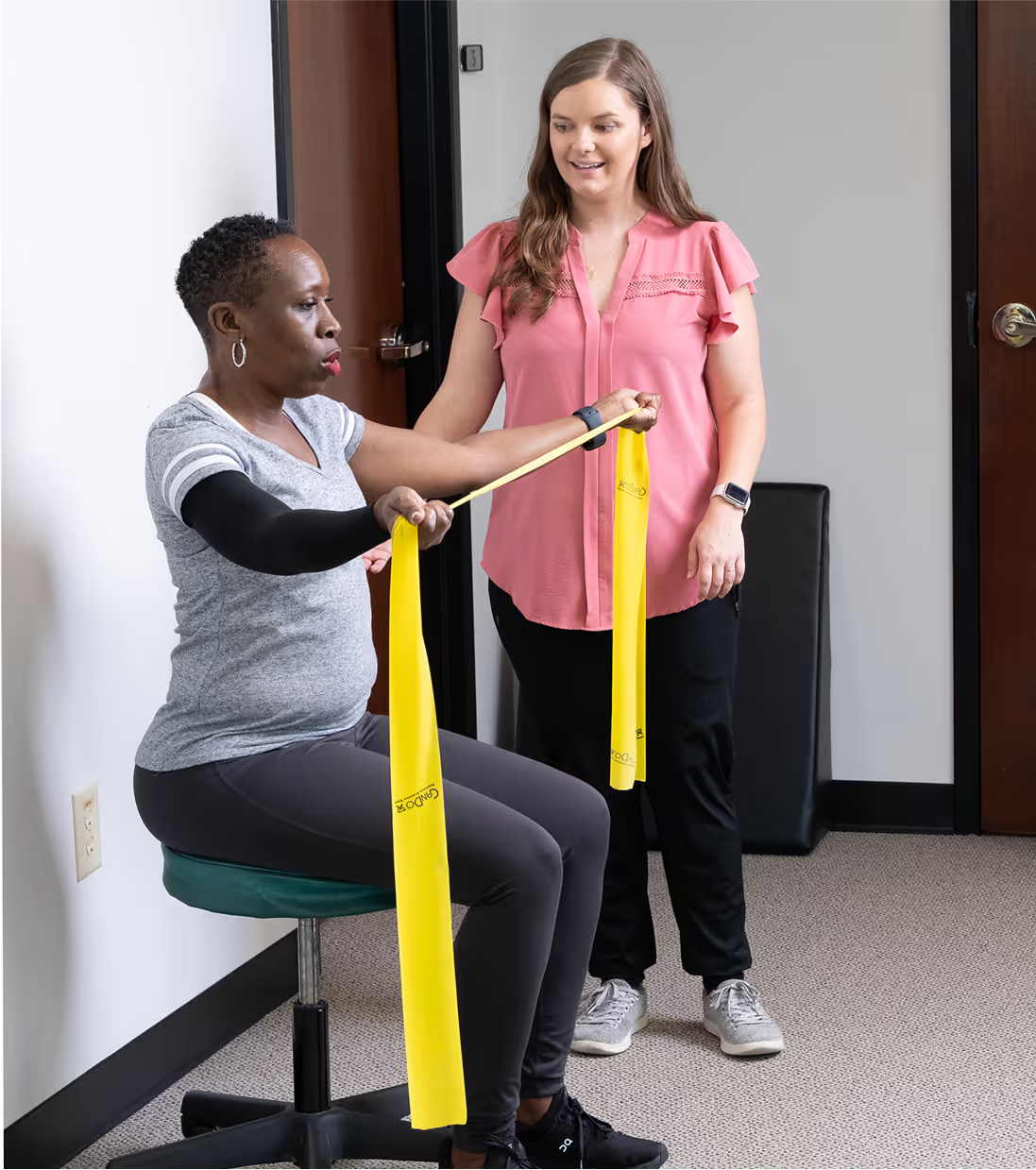
Even after recovery, breast cancer can have debilitating effects on survivors’ endurance, physical function and quality of life. Studies show that physical therapy, exercise and specialized rehabilitation services can help breast cancer survivors regain strength and mobility, treat psychological issues, reduce pain, and improve overall health and well-being.
Barriers
While the benefits of rehabilitation and exercise programs for breast cancer patients are well-documented, several obstacles make it challenging to administer necessary care. These barriers include a lack of accessible care, minimal awareness of survivorship needs, and insufficient evidence-based clinical practice guidelines to identify and manage the effects of breast cancer and its treatments.
Strategies
One of Iris’s major objectives is to make referrals to rehabilitation the standard in breast cancer treatments. We’re working toward that goal through industry partnerships, improved community and patient education, increased survivorship issues awareness, continual provider education, and an increased number of breast cancer rehabilitation professionals.
Our Essential Services
The breast cancer journey doesn’t end with medical treatment. Iris’s highly trained staff provides compassionate, evidence-based care to help patients reach their best quality of life both during and after treatment.
- Physical Therapy & Exercise Programs – Addressing mobility, strength, endurance, and lymphedema management through individualized or group sessions.
- Counseling Services – Offering individual and group support to help manage stress, anxiety, and emotional well-being.
- Nutrition Guidance – One-on-one and group education sessions designed to improve health during and after treatment.
- Massage Therapy – Specialized oncology and lymphatic massage for comfort, relaxation, and symptom relief.
Care is available both in-person and virtually across Georgia. We also accept most insurance plans and provide financial assistance to ensure accessibility for all patients.
.avif)
How and When to Refer
Referring patients to Iris is simple, and early referrals can make a significant difference in recovery outcomes.
Who to refer
- Patients at the pre-operative stage for a baseline assessment.
- Patients 3–4 weeks post-surgery with a referral from their healthcare provider.
- Patients with a history of breast cancer experiencing issues such as lymphedema, scar tissue, mobility limitations, or strength concerns.
How to refer
- A referral script is required from any member of the care team, including oncologists, surgeons, or plastic surgeons.
- Referrals may be faxed directly to 770-360-9276.
- To request referral pads or provider packets, call 770-360-9271, and our front office will assist you.
Annual Healthcare Provider Courses
We offer continuing education designed to equip providers with evidence-based tools and strategies for survivorship care. View past courses:
Breast Cancer Rehabilitation for the Outpatient Clinician: From Surgery Through Survivorship
This evidence-based course will address the complexities of breast cancer rehabilitation from the perspective of the outpatient clinician, with a focus on understanding the surgical management of breast cancer and the role of rehabilitation throughout the survivorship continuum. Special attention will be given to the management of common shoulder and upper quadrant dysfunction, including physical therapy evaluation and treatment considerations related to common breast cancer treatment side effects. A dedicated panel presentation will highlight the importance of integrated care that addresses the physical, psychosocial and wellness concerns faced by breast cancer patients and survivors including topics such as dry needling for the breast cancer patient, risk factors for the development of lymphedema and pelvic floor side effects of breast cancer treatment.
A Balanced Approach: Rehabilitation Management of Adverse Neurological Effects for Individuals Impacted by Cancer
This evidence-based course explores the adverse neurological impact of cancer and the treatment for this patient population. The rehabilitation management of fall risk, chemotherapy induced peripheral neuropathy (CIPN), and other balance impairments will be addressed. Beginning with an overview of contributing causal pathways, this course will equip clinicians with the most up to date evidence and tools related to the assessment and management of chemotherapy-related balance impairments. Special attention will be given to appropriate outcome measure selection throughout the continuum of care, subjective interview considerations and goal setting.
Special Topics in Breast Cancer Rehabilitation: From Cell to Survivorship
This evidence-based live virtual symposium will cover a broad spectrum of special topics in breast cancer rehabilitation including inflammation as it relates to breast cancer and exercise, cording and shoulder dysfunction, breast reconstruction-specific assessment, functional outcome assessment and disparities in survivorship. A Pilates class will provide participants with a brief exercise break while demonstrating appropriate modifications and progressions for individuals during and after breast cancer treatment.
Advanced Approach to Breast Cancer Rehabilitation: Prescribing Exercise as Medicine
This evidence-based course, offered in Atlanta, GA, will address the complexities of breast cancer rehabilitation with a focus on understanding the medical management of breast cancer and the role of exercise in addressing treatment side effects. A hands-on lab component will be integrated to reinforce an understanding of how exercise can be prescribed as medicine for the breast cancer patient.
Introduction to Evidence-Based Breast Cancer Rehabilitation
This evidence-based course will address the complexities of breast cancer rehabilitation, with a focus on understanding the medical management of breast cancer and the role of rehabilitation, including physical and occupational therapy evaluation and treatment programs related to common treatment side effects. A special panel presentation will highlight the importance of integrated care that addresses the physical, psychosocial and wellness issues faced by breast cancer patients and survivors.
How Providers Can Make A Difference
Through collaboration and education, providers can become champions of equitable survivorship care.
Key practices include:
Delivering Patient-Centered Care
Understand individual needs, build trust, and foster open communication.
Recognizing Systemic Barriers
Be mindful of financial strain, healthcare bias, and other challenges that limit access.
Promoting Equitable Care
Create care models that address diverse lived experiences.
Building Community Partnerships
Collaborate with local organizations to expand culturally relevant care.
Implementing Evidence-Based Models
Use prospective surveillance approaches to identify and manage treatment side effects early.